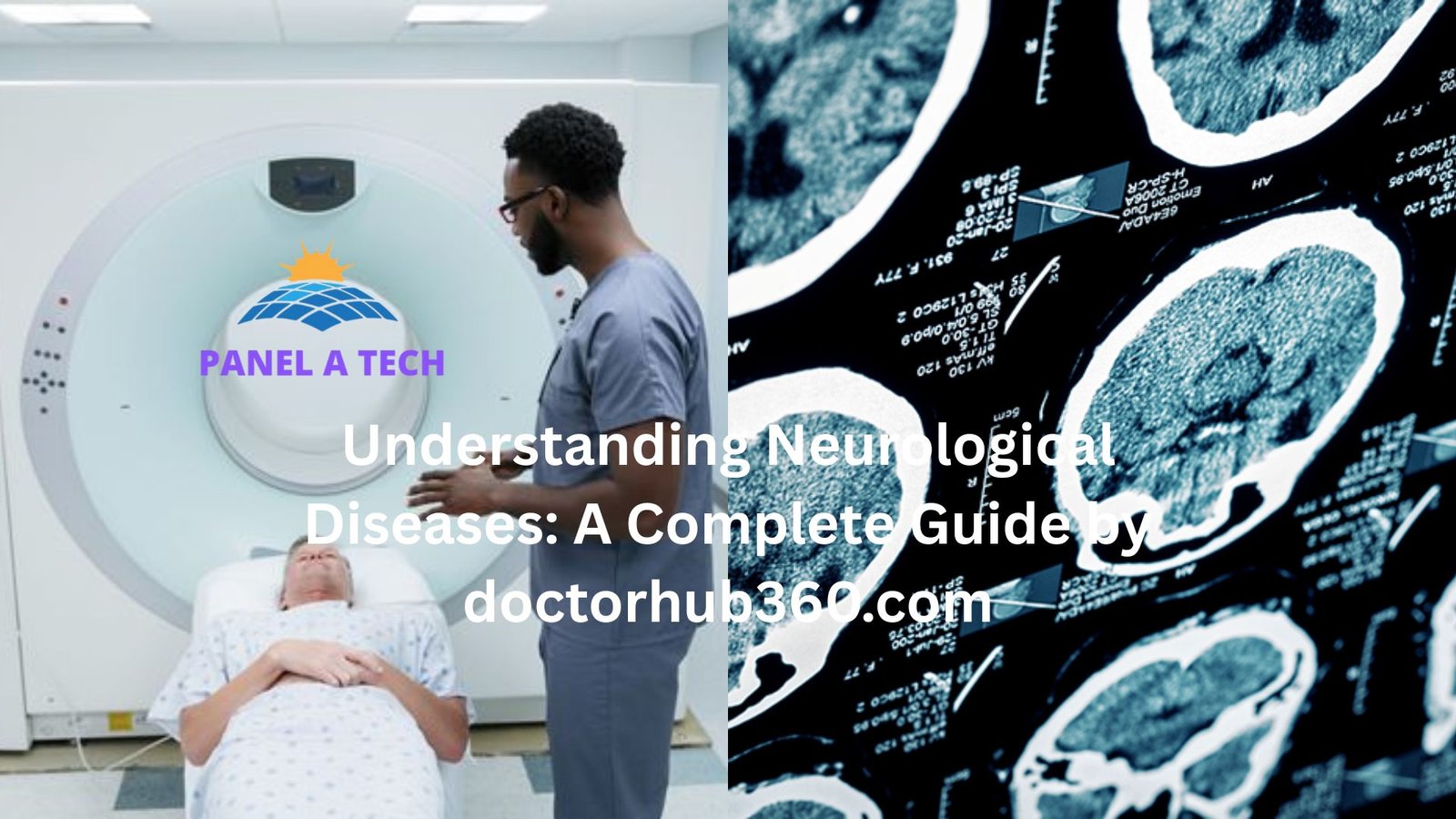
Neurological diseases affect millions of people worldwide. At doctorhub360.com, the goal is to make health information simple and easy for everyone. This guide explains neurological diseases in clear language with step by step help, anecdotes, and practical insights.
What Are Neurological Diseases
Neurological diseases affect the brain, spinal cord, and nerves. These systems control movement, memory, breathing, emotions, and more. When communication breaks down, symptoms can appear suddenly or worsen over time.
Common conditions include Alzheimer’s, Parkinson’s, Epilepsy, Multiple sclerosis, Stroke, Migraines, Neuropathy, ALS, and brain or spinal cord injuries.
Why Neurological Diseases Matter
Ravi, a 47 year old office worker, ignored small signs like dropping objects and dragging his foot. Later he learned he had early multiple sclerosis (MS). His story shows why paying attention to early symptoms matters. Many people delay seeking help until symptoms become severe.
Types of Neurological Diseases and Symptoms
Alzheimer’s Disease
Affects memory and thinking.
Symptoms: memory loss, confusion, trouble solving problems, mood changes.
Parkinson’s Disease
Affects movement and muscle control.
Symptoms: tremors, slow movement, stiffness, balance problems.
Epilepsy
Causes repeated seizures due to abnormal brain signals.
Symptoms: confusion, loss of awareness, jerking motions, unusual sensations.
Migraines
Severe headaches often with nausea and sensitivity to light.
Stroke
Occurs when blood flow to the brain stops or a vessel bursts.
FAST: Face drooping, Arm weakness, Speech difficulty, Time to call for help.
Neuropathy
Affects hands and feet, often linked to diabetes.
Symptoms: tingling, burning, weak grip, balance issues.
Multiple Sclerosis (MS)
Immune system attacks nerve coating.
Symptoms: vision issues, numbness, fatigue, walking problems.
ALS
Damages nerve cells that control movement.
Symptoms: muscle twitching, weakness, trouble walking or speaking.
Why Neurological Diseases Happen
Causes include genetics, infections, immune system issues, toxins, injuries, aging, and lifestyle factors. For example, head injuries can trigger long term neurological problems.
How Doctors Diagnose Neurological Diseases
Medical History
Doctors ask when symptoms began, how often they occur, and what triggers them.
Neurological Exam
Checks reflexes, strength, speech, coordination, and balance.
Imaging Tests
Includes MRI, CT scan, EEG, and EMG to study brain and nerve activity.
Lab Tests
Blood tests look for infections, deficiencies, or autoimmune markers.
Diagnosis and Treatment Plan
Doctors combine results to determine the condition and treatment approach.
Treatment Options
Medications
Help reduce symptoms, prevent seizures, reduce pain, or improve memory.
Physical Therapy
Improves strength, mobility, and balance.
Occupational Therapy
Helps with daily tasks like dressing, writing, and cooking.
Lifestyle Changes
Healthy diet, exercise, quality sleep, stress management, avoiding smoking or alcohol.
Surgery
Used for tumors, severe epilepsy, or pressure in the brain.
Psychological Support
Helps reduce anxiety, depression, and emotional strain.
Living With Neurological Diseases
Sara was diagnosed with epilepsy at 16. After years of fear and embarrassment, consistent treatment and support allowed her to gain control. Today she teaches confidently and encourages others to seek help. Her story shows that neurological diseases do not have to limit life.
How to Support Someone With a Neurological Condition
Learn the Condition
Knowledge helps you support them better.
Be Patient
Symptoms may change day to day.
Assist With Appointments
Offer help getting to or speaking during visits.
Watch for Warning Signs
Report sudden changes in behavior, speech, or movement.
Encourage Healthy Habits
Good sleep, diet, and exercise support recovery.
Celebrate Progress
Small improvements matter.
Prevention and Early Detection
Reduce risk with exercise, a balanced diet, blood pressure control, diabetes management, no smoking, and protecting your head during sports. Early detection saves lives.
When to Visit a Neurologist
Seek help if you notice seizures, weakness, numbness, memory loss, vision changes, speech problems, severe headaches, or dizziness.
Conclusion
Neurological diseases can be challenging, but understanding them gives people power. At doctorhub360.com, the goal is to offer clear information that supports better health decisions. Early action and proper care can greatly improve quality of life.