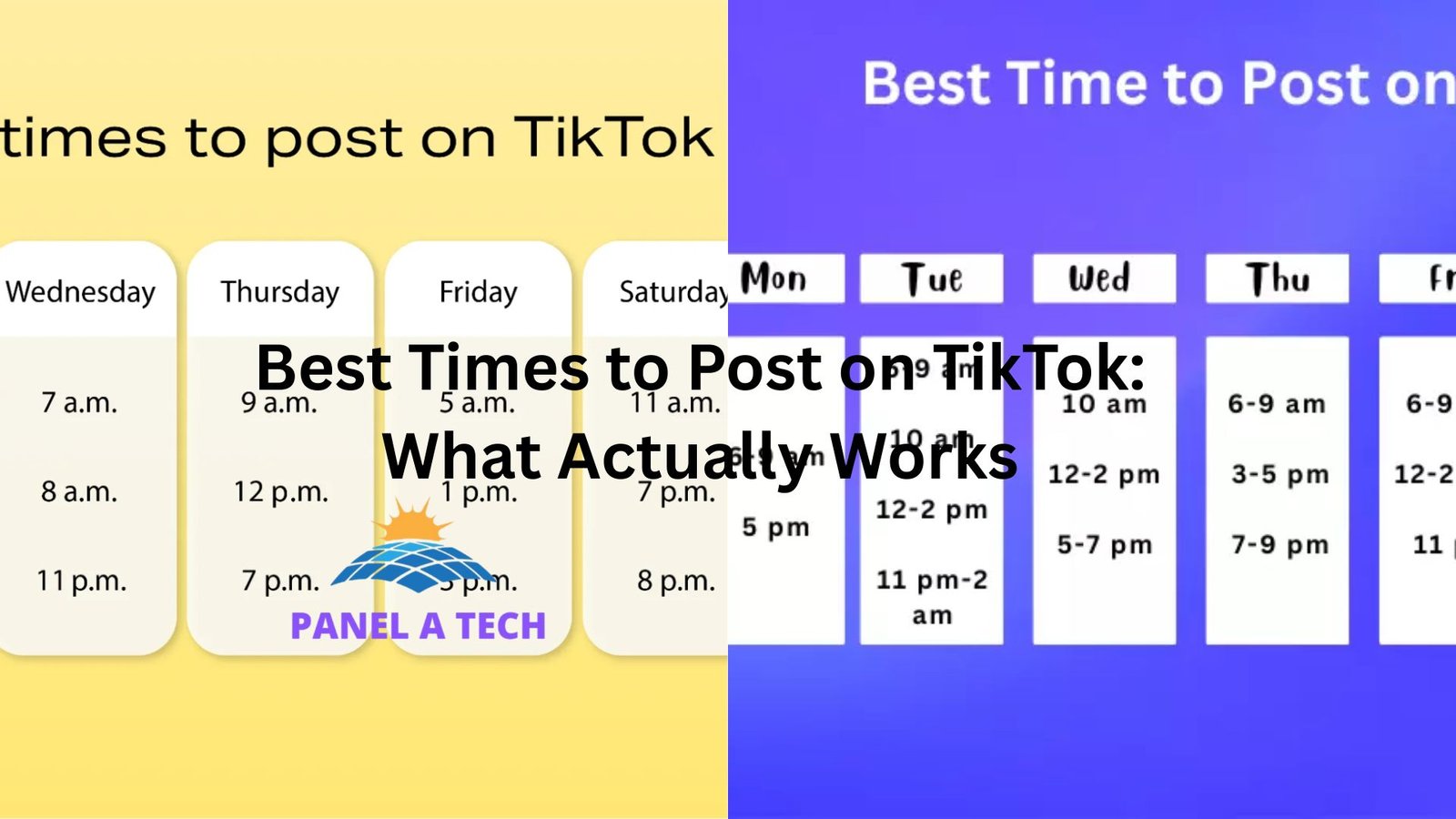
Timing can make or break a TikTok. It’s wild, but true. You could have the funniest, sharpest, most genius 20-second clip—perfectly edited, great lighting, hilarious punchline—and still get crickets if you post it at the wrong moment.
So yeah, the algorithm matters. But when you post? That’s part of the game too.
Let’s break it down into something more real, less vague than “post when your audience is online.” Because if you’ve ever actually tried to figure that out… it’s not always as helpful as people make it sound.
Why Timing Even Matters on TikTok
TikTok isn’t just a place for random virality anymore. It’s competitive. Strategic. And even a little moody.
When you post at the right time, you increase the chances that your video gets picked up early—while it’s still fresh—and shown to a wider slice of people before the scroll gods bury it. That early traction? It’s everything. TikTok’s For You Page is fast-moving and ruthless, so the first hour or two can shape your entire reach.
Now, this doesn’t mean timing is everything. You still need a decent hook, good pacing, something worth watching. But if you’re already doing all that and still not getting views? Yeah—timing might be the silent killer.
So… When’s the Best Time to Post?
Let’s cut through the noise. There are general time frames that tend to perform better. These aren’t rules, just strong patterns.
The best windows? Usually:
- Morning: 6–10 AM
- Evening: 7–11 PM
And here’s the catch: local time matters. You want to think about where your audience is, not just where you are. If you’re in L.A. but most of your followers are in New York, you should be posting on Eastern Time.
Let me give you a quick real-world example.
A friend of mine runs a food review TikTok. She’s based in Austin, but a lot of her followers are East Coast city dwellers who follow her for restaurant travel tips. She used to post around 9 PM her time, assuming it was peak scroll time. But her videos started tanking.
Switched to posting at 6 PM Austin time (which is 7 PM Eastern), and boom—views jumped. Sometimes it’s that simple.
Avoid the “Dead Zones”
Every platform has its graveyard hours, and TikTok is no exception.
You’ll want to avoid posting:
- During school or work hours (roughly 11 AM to 3 PM on weekdays)
- Right after big TV events or live sports (because people are distracted)
- Super late at night unless you’re catering to night owls or other time zones
Now, there are exceptions. If your content targets students, they might be scrolling after school, around 4–6 PM. If you’re aiming for insomniacs or night shift workers? Maybe 2 AM works great. But for most people? Those middle-of-the-day slots just don’t perform consistently.
Let’s Talk Weekends
Weekends are a bit of a wild card. Some creators swear by Saturday mornings, others find Sunday evenings hit harder.
The truth? It depends on your niche.
If you make weekend content—like brunch reviews, hiking spots, or DIY crafts—Saturday mornings can be magic. People are scrolling while sipping coffee, looking for ideas, or just easing into the day.
But if you’re doing comedy skits, reactions, or opinion takes, Sunday night is gold. That pre-Monday dread has people glued to their phones, and TikTok is their last shot at joy before the work week slaps them in the face.
Consistency Still Beats Timing
Here’s a little tough love.
Perfect timing won’t save inconsistent posting.
If you post once every two weeks—even at the ideal hour—you’ll probably get mediocre results. But if you post regularly, even at okay times, the algorithm starts working with you. It sees you as active. It gives you more chances to get discovered. Think of it like dating: showing up regularly beats showing up once, perfectly dressed, then ghosting.
Use Your Analytics (But Don’t Obsess)
If you have a Pro account (and you should), you can peek at when your followers are most active. That’s a good start. But it’s not the whole story.
Let’s say your analytics say most of your audience is online at 8 PM. Sounds like the perfect time to post, right?
Maybe. But if everyone else is also posting at that exact time, your video could get lost in the flood. Sometimes posting slightly before that peak window—like 30 to 60 minutes earlier—lets your video gain momentum before the crowd hits.
Don’t fall into the trap of chasing the same window every day just because a graph told you to. Experiment. Keep an eye on what actually works.
One More Thing: Content Type Affects Timing
Not all content thrives at the same hour.
Let’s say you’re posting productivity tips or morning motivation. Posting at 9 PM? That doesn’t really line up with your message. Same if you’re sharing a workout routine—morning viewers will connect with that better.
On the flip side, entertainment, comedy, and late-night rants? Prime time is after dinner. That’s when people are winding down, in full-scroll mode, and ready to laugh or zone out.
So match the mood of your content with the mindset of your audience when they’d be most likely to engage with it.
Quick Personal Note on Trial and Error
I’ll be real with you: I posted a video at 1:30 PM once, just because I was bored at lunch. Zero expectations. It blew up. Totally caught me off guard.
Turns out, it got picked up by a crowd of UK viewers where it was evening. I’d been unknowingly shadow-targeting a whole different timezone.
That one fluke changed how I thought about my audience—and how I scheduled future posts. Sometimes your best time to post isn’t even your local time at all. It might be someone else’s.
That’s why testing matters. Don’t just follow charts—watch what your actual data says. Notice what gets traction. Double down on that.
Wrapping It All Up
There’s no one perfect time to post on TikTok. But there are patterns. And once you understand your audience—where they are, when they scroll, and why they care—you can start playing smarter.
Early morning and late evening tend to perform well. Weekends shift the mood. Your niche and content type matter more than you might think. And while analytics can guide you, they shouldn’t box you in.
Best advice? Treat posting like cooking. You’ve got ingredients (your content), heat (your timing), and flavor (your audience). Get the mix right, and things start to click.
And when in doubt?